When to Change Strings and Bow Hair
The precise coordination of strings and bow hair is the foundation of a bowed instrument's unique voice. This guide explains the signals that indicate a necessary replacement and how to optimize the lifespan of your materials.
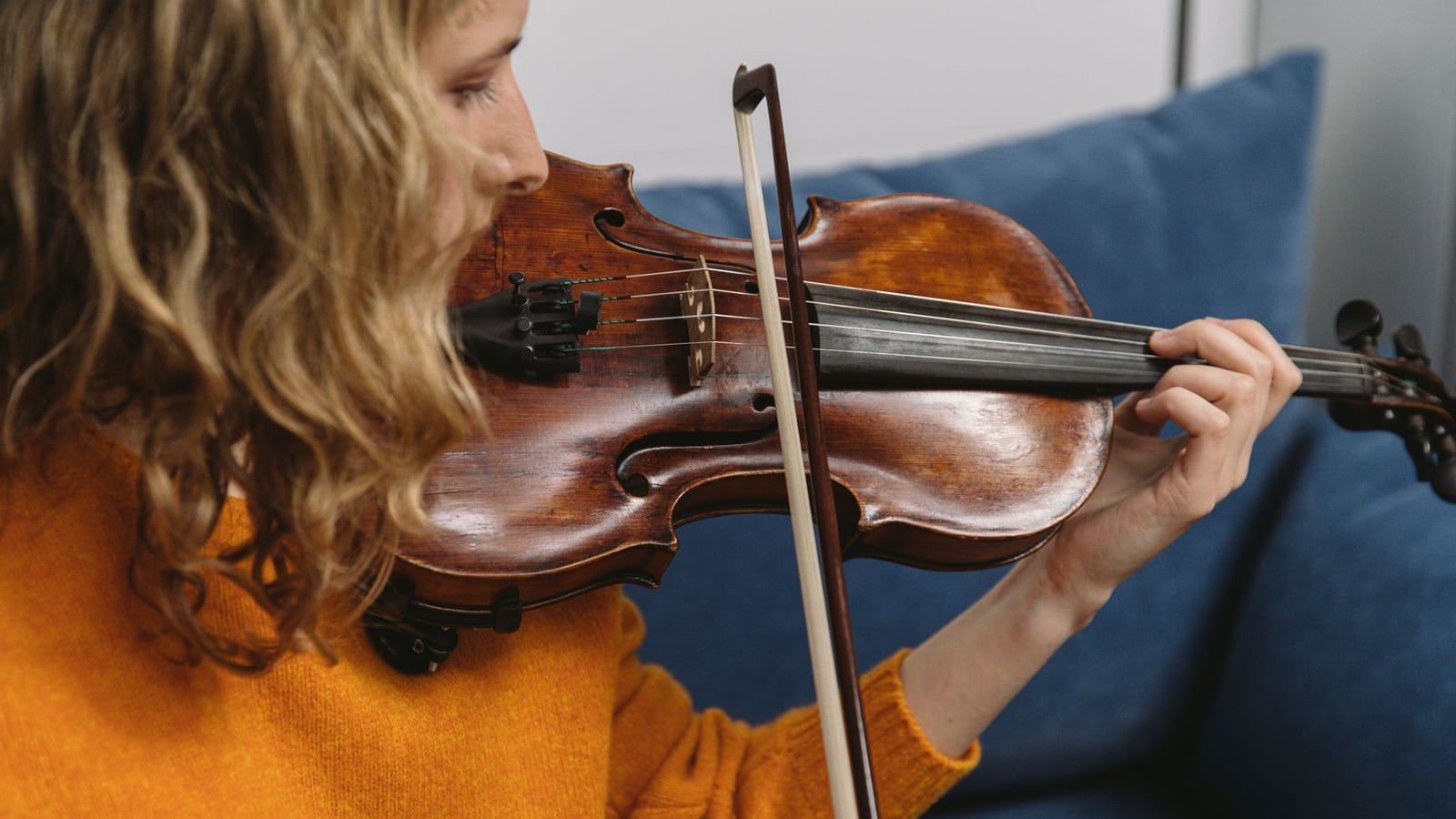
A bowed instrument is a highly sensitive system composed of wood, metal, and organic materials. While the instrument body itself can last for centuries, the consumables—such as strings and bow hair—are subject to natural wear and tear. In the Styrian region, particularly in a city like Graz, local climatic fluctuations between humid winter months and dry summers significantly affect the tension and stability of these materials.
Many musicians wait too long to perform a replacement, which not only impairs intonation but can, in worst-case scenarios, lead to structural damage to the instrument. Timely replacement ensures not only sonic brilliance but also significantly eases playing technique and physical effort.
The Lifespan of Instrument Strings
Over time, strings lose their elastic properties. Constant mechanical stress from fingering and chemical reactions with skin oils and sweat cause the windings to corrode. This leads to a loss of harmonic richness and unstable tuning.
A typical sign for a necessary change is a "dull" or "flat" sound. When the instrument no longer resonates fully despite a correct bow stroke, it is often a sign of fatigued strings. For students at music schools in Graz, we often recommend a shorter replacement cycle, as developing playing techniques can put more erratic stress on the strings.
When is a Bow Hair Change Mandatory?
Bow hair consists of natural horsehair, which possesses a specific structure to hold rosin optimally. Over time, these hairs wear down, become brittle, or lose their tension. A bow that no longer maintains sufficient tension, even when the screw is fully tightened, must be re-haired immediately.
Another warning sign is uneven wear of the hair. If individual hairs break frequently or the hair bundle begins to "fray," the musician loses control over the bow stroke. This results in unwanted scratches in the tone and makes precise articulation nearly impossible.
| Component | Recommended Interval | Critical Signs |
|---|---|---|
| Strings (Standard) | Every 6 to 12 months | Corrosion, dull sound, tuning instability |
| Bow Hair | Every 6 to 18 months | Loss of tension, hair breakage, poor grip |
| Rosin | As needed / Seasonal change | Sticky surface, bow slipping on strings |
Impact of the Climate in Graz and Surroundings
Air humidity in Austria fluctuates strongly by season. During the heating period in winter, relative humidity in indoor spaces often drops below 40%, which can cause bow hair to become brittle faster and strings to lose their tension. We recommend paying closer attention to maintenance during these phases.
A sudden change in ambient temperature can cause strings to expand or contract, shifting the intonation. Musicians who frequently transport their instruments between different rooms or venues should regularly check string stability to avoid unexpected pitch shifts during performance.
The Risks of Using Aged Strings
Old strings are not just a sonic problem. Heavily corroded strings can damage the fingerboard or, in extreme cases, snap during tuning, which may shift the bridge or damage the instrument's spruce top. A preventive change is essentially insurance for the long-term value of your instrument.
Furthermore, regular string replacement improves playability. New strings respond more precisely to finger pressure, which is essential for complex passages in classical repertoire and professional performance.
Material Inspection Checklist
- Visual Inspection: Do the strings show dark spots or visible signs of rust/oxidation?
- Tactile Feel: Do the strings feel rough, "sticky," or uneven under the fingers?
- Tension Test: Can the bow be brought to the correct playing height without excessive force?
- Sound Test: Are all strings balanced in their dynamics, or does one sound significantly quieter?
- Tuning Stability: Does the instrument require re-tuning just a few minutes after the initial adjustment?
Professional Support in the Workshop
Replacing strings and bow hair may seem simple, but it requires specialized knowledge. In particular, re-hairing a bow must be done with exact tension to avoid compromising the curvature of the bow wood. In our Graz workshop, we ensure that every material is perfectly matched to the specific characteristics of the instrument.
As part of our Bowed String Maintenance, we do not just replace the materials; we also verify the bridge position and the alignment of the sound holes to ensure optimal sound projection.
Note: The mentioned intervals are guidelines. The actual lifespan depends heavily on playing intensity, material quality, and storage conditions.
If you are unsure whether your instrument requires an overhaul, we invite you to visit us in the Innere Stadt district. A professional assessment of the material condition is a standard part of our service approach.
For more information on long-term instrument care, especially regarding temperature shifts, read our guide on Guitar Care During Seasonal Changes, as many principles of wood maintenance apply across different instrument types.
Ready for a fresh sound?
Avoid material damage and optimize your playing experience with professional service in Graz.
Book an Appointment